

5 main benefits of using ozone serums for your skin
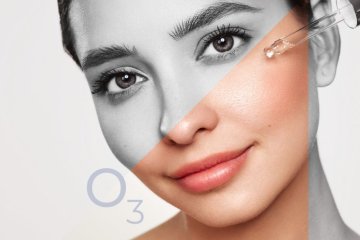
Discover the power of ozone: 5 key benefits of ozone serums
Ozone serums are an innovative cosmetic product that has been gaining attention in skincare in recent years. These products are based on the principle of ozonizing oils, a process in which ozone molecules bind to unsaturated fatty acids in the oil. The result is a product with potentially interesting properties for skin care. Let's look at five main potential benefits that ozone serums can offer for your skin.
Promoting skin hydration and nourishment
Ozone serums have the potential to significantly contribute to skin hydration and nourishment. This effect is based on the specific structure of ozonized oils, which create a gentle occlusive film on the skin surface. This film can help retain moisture in the skin while allowing the skin to breathe [1].
A study published in the Journal of Ethnopharmacology found that applying sesame oil to the skin led to significant improvements in skin hydration, reduced transepidermal water loss (TEWL), and increased ceramide content in the stratum corneum compared to the control group [1]. This finding suggests that sesame oil can significantly improve skin hydration and barrier function.
Potential benefits for different skin types:
- Dry skin: May significantly benefit from the hydrating properties of ozone serums.
- Normal skin: Can help maintain optimal hydration levels.
- Oily skin: The light texture of some ozone serums can provide hydration without excessive burden on the skin.
(effects may vary depending on the specific composition of the serum and individual skin characteristics)
Antioxidant protection
One of the most interesting aspects of ozone serums is their potential antioxidant effect. Although ozone itself is an oxidant, ozonized oils can paradoxically act as antioxidants. This phenomenon is known as the "ozone paradox" [3]. Research published in the journal Oxidative Medicine and Cellular Longevity suggests that ozonized oils can stimulate the body's natural antioxidant systems, leading to increased protection against oxidative stress [4]. Oxidative stress is one of the main factors contributing to premature skin aging.
Potential benefits for different skin types:
- Mature skin: Can benefit from protection against free radicals that contribute to the formation of wrinkles and fine lines.
- Skin exposed to polluted environments: Antioxidant properties can help protect the skin from harmful environmental influences.
- All skin types: Antioxidant protection is beneficial for overall skin health.
Supporting skin regeneration
Ozone serums can potentially support the natural process of skin regeneration. This effect is attributed to ozone's ability to stimulate cell metabolism and improve microcirculation in the skin [5].
According to a study published in the journal Wound Repair and Regeneration, faster skin regeneration was observed in experimental models after application of ozonized sesame oil compared to non-ozonized sesame oil [6]. This study suggests that ozonization may have a positive effect on the properties of sesame oil, however, further research is needed to confirm these results in humans.
Potential benefits for different skin types:
Acne-prone skin: May help with faster healing of acne lesions.
Mature skin: May support cell renewal and improve overall skin appearance.
Skin after cosmetic procedures: May potentially accelerate the healing process.
(Ozone serums are not intended to treat skin diseases or wounds. In case of any skin problems, it is always necessary to consult a dermatologist.)
Antimicrobial properties
According to studies, ozone shows antimicrobial properties that are preserved even in ozonized oils. This property can be useful in caring for problematic skin [7]. A study published in the journal Medical Gas Research examined the antimicrobial properties of ozonized sunflower oil against various pathogens. The results showed that the ozonized oil had a significant inhibitory effect on the growth of several species of bacteria and yeasts [8].
Potential benefits for different skin types:
- Oily and acne-prone skin: Antimicrobial properties can help in caring for problematic skin prone to acne.
- Skin prone to minor infections: Can help maintain the natural microflora of the skin.
(Ozone serums are not a substitute for treatment of skin infections or acne prescribed by a dermatologist.)
Supporting collagen production
Some studies suggest that ozone therapy can stimulate collagen production in the skin. Collagen is a key protein for maintaining skin elasticity and youthful appearance [9]. Research published in Archives of Medical Research examined the effects of ozone therapy on collagen production in the skin. The study found that ozone therapy significantly increased the production of type I and III collagen in dermal fibroblasts [10].
Potential benefits for different skin types:
- Mature skin: Stimulation of collagen production can help reduce fine lines and wrinkles.
- Skin with loss of elasticity: Can help improve skin elasticity and firmness.
- All skin types: Maintaining healthy collagen production is important for overall skin health.
Ozone serums represent an interesting innovation in skincare with a potentially wide range of benefits. From supporting skin hydration and nourishment through antioxidant protection to stimulating collagen production, these products offer many potential advantages for various skin types. Effects may vary depending on the specific composition of the product and individual skin characteristics. Ozone serums are cosmetic products and are not intended to diagnose, treat, or prevent any skin diseases.
Before introducing any new cosmetic product into your skincare routine, especially if you have sensitive skin or specific skin problems, it is always advisable to consult with a dermatologist. An expert can help you determine whether ozone serums are suitable for your specific situation and how best to incorporate them into your skincare routine.
Disclaimer:
This article is for informational and educational purposes only. The information provided here is based on scientific studies but is not a substitute for professional medical advice.
Although we operate an e-shop with products containing ozone on this website, the content of this article is not a direct promotion of specific products and we make no claims about their therapeutic effects.
Before using any new cosmetic products, we recommend consulting with a qualified professional, especially if you have health problems or are taking medication.
The use of information from this article is at the reader's own risk. We do not assume responsibility for any consequences resulting from the use of the information provided here.
For more information, please read our full disclaimer: HERE
Sources:
[1] Lin, T. K., Zhong, L., & Santiago, J. L. (2018). Anti-inflammatory and skin barrier repair effects of topical application of some plant oils. International journal of molecular sciences, 19(1), 70.
[2] Travagli, V., Zanardi, I., Valacchi, G., & Bocci, V. (2010). Ozone and ozonated oils in skin diseases: a review. Mediators of Inflammation, 2010.
[3] Sagai, M., & Bocci, V. (2011). Mechanisms of Action Involved in Ozone Therapy: Is healing induced via a mild oxidative stress?. Medical Gas Research, 1(1), 29.
[4] Re, L., Mawsouf, M. N., Menéndez, S., León, O. S., Sánchez, G. M., & Hernández, F. (2008). Ozone therapy: clinical and basic evidence of its therapeutic potential. Archives of Medical Research, 39(1), 17-26.
[5] Kim, H. S., Noh, S. U., Han, Y. W., Kim, K. M., Kang, H., Kim, H. O., & Park, Y. M. (2009). Therapeutic effects of topical application of ozone on acute cutaneous wound healing. Journal of Korean Medical Science, 24(3), 368-374.
[6] Valacchi, G., Lim, Y., Belmonte, G., Miracco, C., Zanardi, I., Bocci, V., & Travagli, V. (2011). Ozonated sesame oil enhances cutaneous wound healing in SKH1 mice. Wound Repair and Regeneration, 19(1), 107-115.
[7] Zanardi, I., Travagli, V., Gabbrielli, A., Chiasserini, L., & Bocci, V. (2008). Physico-chemical characterization of sesame oil derivatives. Lipids, 43(9), 877-886.
[8] Sechi, L. A., Lezcano, I., Nunez, N., Espim, M., Dupre, I., Pinna, A., ... & Zanetti, S. (2001). Antibacterial activity of ozonized sunflower oil (Oleozon). Journal of Applied Microbiology, 90(2), 279-284.
[9] Bocci, V., Borrelli, E., Travagli, V., & Zanardi, I. (2009). The ozone paradox: ozone is a strong oxidant as well as a medical drug. Medicinal Research Reviews, 29(4), 646-682.
[10] Lim, Y., Phung, A. D., Corbacho, A. M., Aung, H. H., Maioli, E., Reznick, A. Z., ... & Valacchi, G. (2006). Modulation of cutaneous wound healing by ozone: differences between young and aged mice. Toxicology Letters, 160(2), 127-134.


